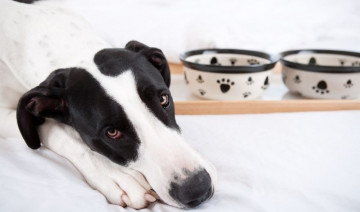
Share "Why Is My Dog Not Eating?"
There can be many reasons why a dog’s appetite may change, but if your dog is not eating at all, a closer look at the animal’s diet and health may be necessary. By understanding why a dog may stop eating, you can be sure your canine companion is healthy and well-nourished with the proper diet for its needs.
How a Dog’s Appetite Changes
A dog’s appetite and eating habits will change throughout its life. Dogs eat differently based on their age, activity level, and overall health, and those changes are natural and no cause for concern. A hyperactive puppy, for example, will eat more to support its high energy level and ongoing growth, while a senior dog that doesn’t get frequent exercise will eat much less. Dogs eat more during pregnancy or while nursing, while mature dogs on a regular routine will generally have a more stable appetite.
When a dog’s appetite changes abruptly or dramatically, however, it can be cause for concern.
Why a Dog Might Stop Eating
There are many reasons why a dog could stop eating, and a loss of appetite might be a symptom of different conditions. When your dog refuses to eat, consider…
- Mouth or Dental Injuries – If your dog has sore gums, has bitten its tongue, has a mouth wound, or may have dental problems such as loose or missing teeth, eating can be painful.
- Recent Vaccination – Appetite loss is a side effect of some vaccinations, but the dog’s appetite should return within a day or two.
- Medication – Similar to recent vaccinations, appetite loss can happen due to medications, especially if nausea may be a side effect of the treatment.
- New Surroundings – A nervous eater may lose its appetite if its feeding routine has changed, such as a new location due to a recent move or travel, new bowls, or other changes.
- Food Changes – Dogs develop taste preferences just as humans do, and a change in dog food formula or food composition can cause a picky eater to skip a meal.
- Bad Food – If a dog’s food has become stale or spoiled, some dogs will stop eating. Buying food in smaller bag sizes can ensure all the food is eaten before it becomes unpalatable.
- Stress – Just as stress affects a human’s appetite, it can affect a dog’s appetite. A change in living arrangements, family death, or shift in work schedule can all cause a dog to stop eating.
- Illness – Loss of appetite can be a symptom of many different illnesses and health conditions, such as cancer, kidney or liver problems, or poor intestinal health.
- Overfeeding – If a dog is getting too much to eat, it may stop eating occasionally just because it is overfull and not ready to eat again.
- Dirty Dishes – If the dog’s bowl is not washed thoroughly, residue from previous meals can taint the next meal and make it less appetizing. Similarly, the taste of soap residue can impact a meal.
- Manipulation – A dog that gets many treats might manipulate its owners at mealtime in the hopes of a tastier option, knowing that different food could be offered if it doesn’t eat.
Encouraging Your Dog’s Appetite
When your dog’s appetite changes, there are several ways to encourage better eating habits and more consistent mealtimes. Before making changes, however, consult with your veterinarian about possible health problems that may be the cause of the appetite loss, to be sure those conditions are properly diagnosed and treated if necessary. If there are no health problems affecting your dog’s appetite…
- Limit treats and snacks throughout the day so your dog is ready to eat at the proper mealtime.
- Increase the dog’s activity level and exercise for better overall health and a more consistent appetite.
- Establish a mealtime routine at the same time each day, using the same dishes and commands to help your dog understand it’s time to eat.
- Do not leave uneaten food out for the dog to nibble, but put away excess food after each mealtime has ended.
- Adjust the amount your dog gets at each meal to match its breed, weight, age, activity level, and nutritional needs to avoid overfeeding.
- Vary your dog’s diet somewhat to minimize picky eating and to help your dog adjust whenever the food composition may change.
- Add a splash of low sodium chicken or beef broth to dry food to make it more palatable and a bit softer for the dog to chew.
- Warm the dog’s food in the microwave briefly to make it more palatable and to encourage odors that will tempt the dog’s appetite.
- Take steps to minimize stress in the home so your dog feels more comfortable and at ease, which can improve the animal’s willingness to eat.
Missing a meal or two is nothing to be concerned about, but if your dog does not return to its regular appetite, contact your veterinarian for assistance and recommendations. With care and attention to your dog’s nutritional needs, its appetite will return and mealtimes will become less stressful for you both.